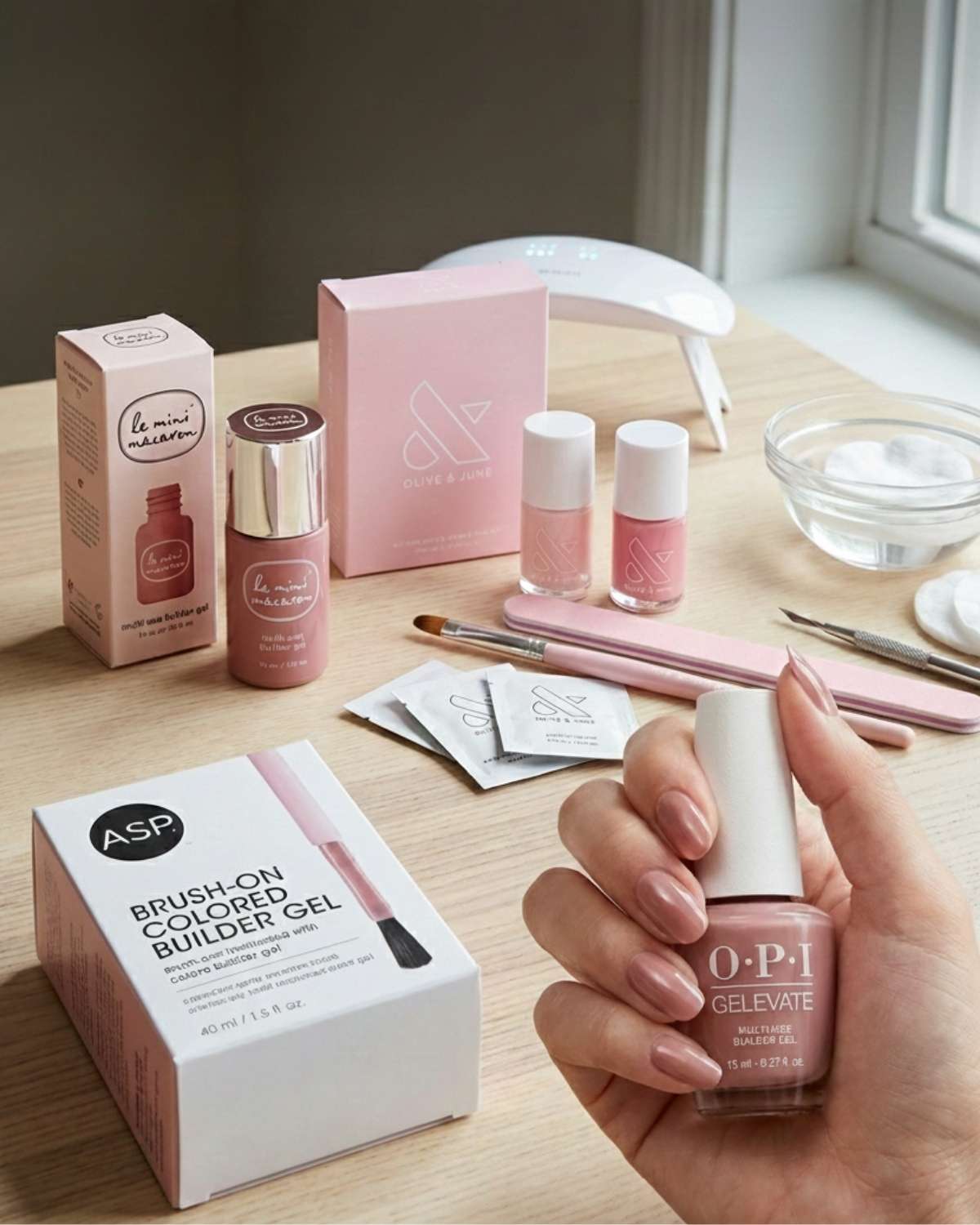
There are nail trends that come and go, and then there are beauty shifts that quietly change how people think about maintenance, strength, and self expression. Builder gel nails fall into the second category. If you have been seeing the phrase everywhere but are still unsure what it actually means, you are not alone. Builder gel nails have become one of the most requested services in salons and one of the most searched nail topics online, and the reason goes deeper than aesthetics.
At a time when people want nails that last but still feel natural, this nail technique offers something acrylics and traditional gel often do not. They sit in the sweet spot between strength and flexibility, making them especially appealing to anyone who loves long lasting manicures but hates damage.
What Are Builder Gel Nails
Builder gel nails are a type of thick gel product designed to add strength, structure, and slight length to natural nails. Unlike regular gel polish, builder gel is meant to actually build the nail up, reinforcing weak or brittle nails and creating a smooth, durable shape.
The gel itself is thicker and more supportive than standard gel polish, but softer and more flexible than acrylic. This is why many nail techs describe builder gel as a protective layer rather than an artificial extension.
Builder gel nails are cured under a UV or LED lamp, just like gel polish, but the result is a nail that feels stronger and more resilient while still looking natural.
What Is Builder Gel Used for on Natural Nails
One of the biggest reasons this type of gel has exploded in popularity is because they work beautifully on natural nails. People who struggle with peeling, bending, or breakage often find that builder gel gives their nails the support they need to finally grow.
Builder gel is commonly used to
- Strengthen thin or weak nails
- Create a smooth apex for better structure
- Help nails grow longer without snapping
- Improve the look of uneven nail beds
For many, builder gel nails are less about dramatic length and more about durability and polish. You still get a clean, glossy manicure, but one that can handle daily life.
Builder Gel Nails vs Acrylics vs Traditional Gel
This is where the switching really starts to make sense.
Acrylic nails are strong, but they can feel heavy and often require aggressive filing for removal. Traditional gel polish looks great, but it does not add much structural support. Builder gel nails sit right in the middle.
Builder gel offers
- More strength than regular gel polish
- Less damage than acrylic when applied correctly
- A more natural feel than hard extensions
For people who want their nails to look elevated without committing to acrylics, builder gel nails feel like a compromise that actually works.
Why This Nail Trend Is Everywhere Right Now
Part of the rise of builder gel nails is cultural. Beauty routines are shifting toward maintenance instead of extremes. People want nails that look good for weeks, survive daily tasks, and do not require constant repair.
Builder gel nails fit perfectly into this mindset. They are especially popular among people who
- Type a lot
- Work with their hands
- Want long nails without dramatic extensions
- Care about nail health long term
Social media has also played a role. Nail creators regularly show builder gel transformations where short, damaged nails turn into glossy, strong manicures that still look natural. That visual proof has driven curiosity and demand.
This move toward low maintenance beauty mirrors other aesthetic trends, like the growing interest in subtle enhancements explored in our guide to masseter botox before and after.
How Gel Builder Nails Are Applied
This type of gel can be applied in a salon or at home, depending on the product and your comfort level.
In general, the process includes
- Nail prep and cuticle care
- Application of builder gel in thin layers
- Curing under a lamp between layers
- Shaping and refining
- Optional gel polish on top
The key is controlled application. Builder gel is meant to be structured carefully, not painted on like regular polish.
At Home Application vs Salon Visits
More people are experimenting with this type of gel at home, thanks to beginner friendly kits and clear instructions.
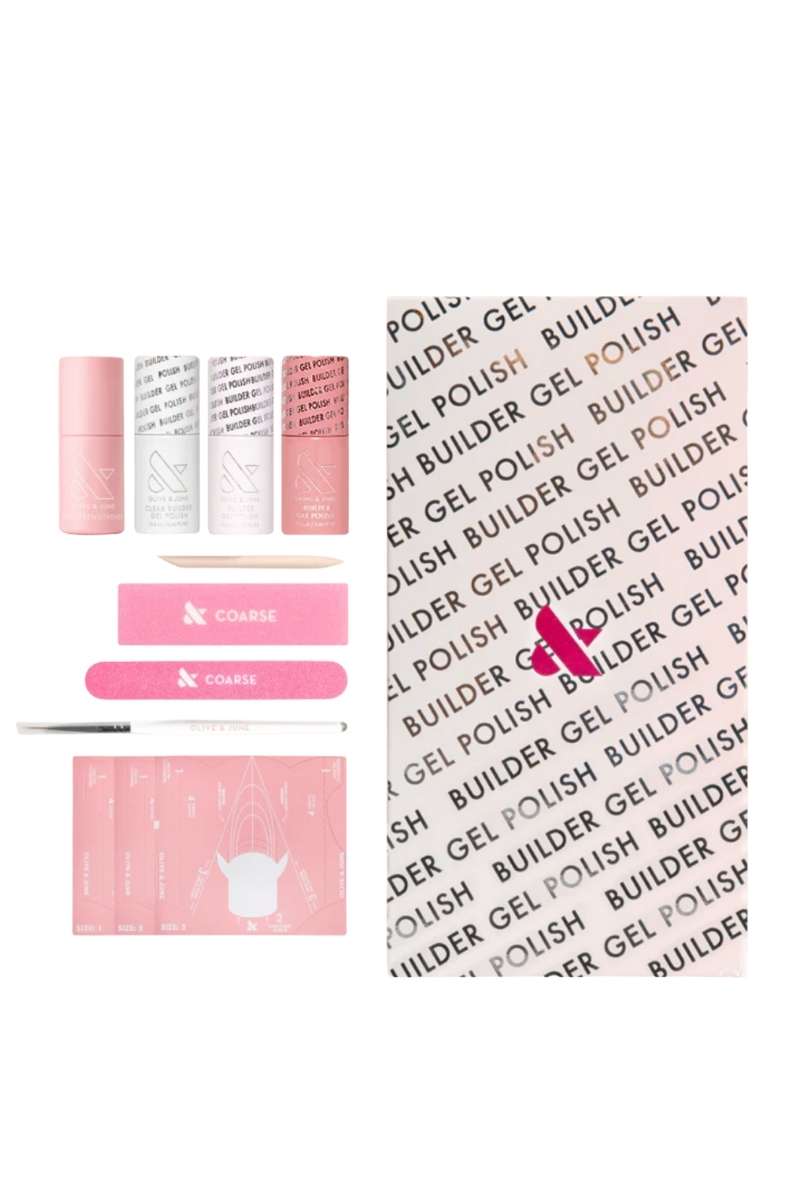
For beginners who want an all in one option, the Olive & June Blush Jelly Builder Gel Kit is designed specifically for easy at home application and natural looking results.
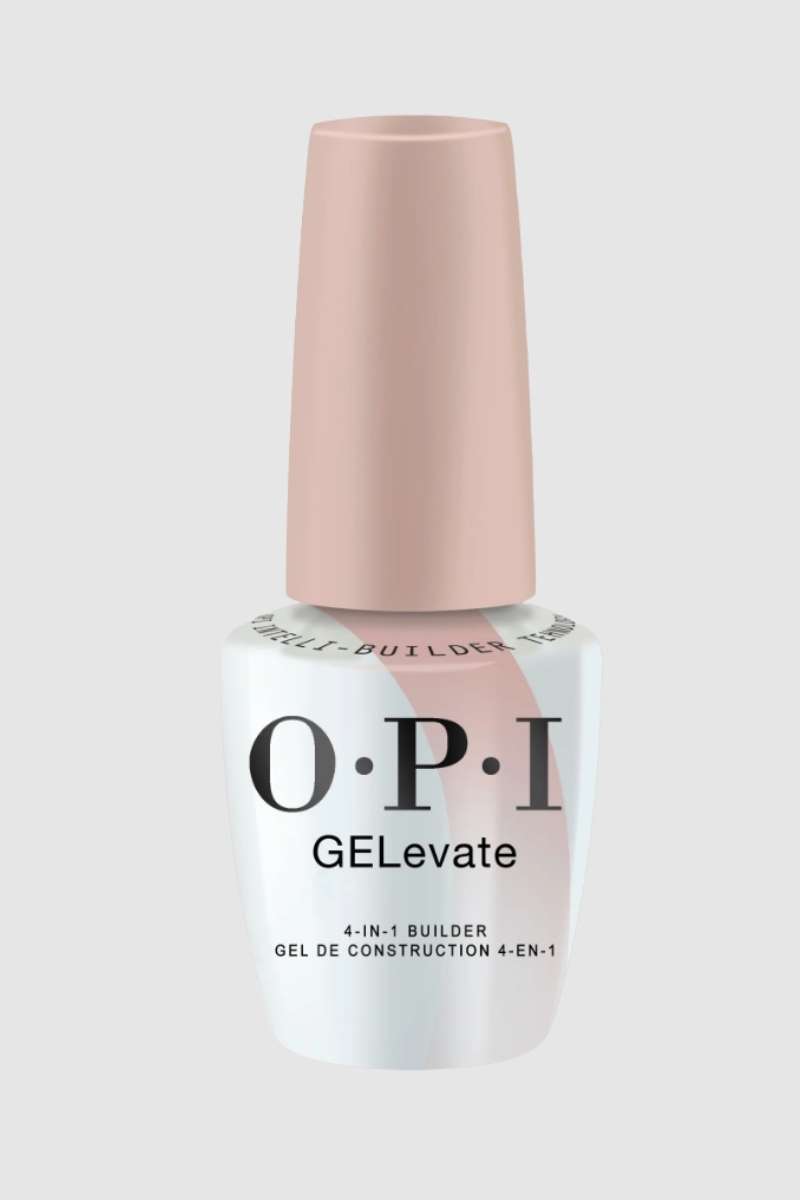
Nail professionals often reach for trusted brands like OPI Gelevate 4 in 1 Builder Gel, which combines strength, structure, and a polished finish in one formula.
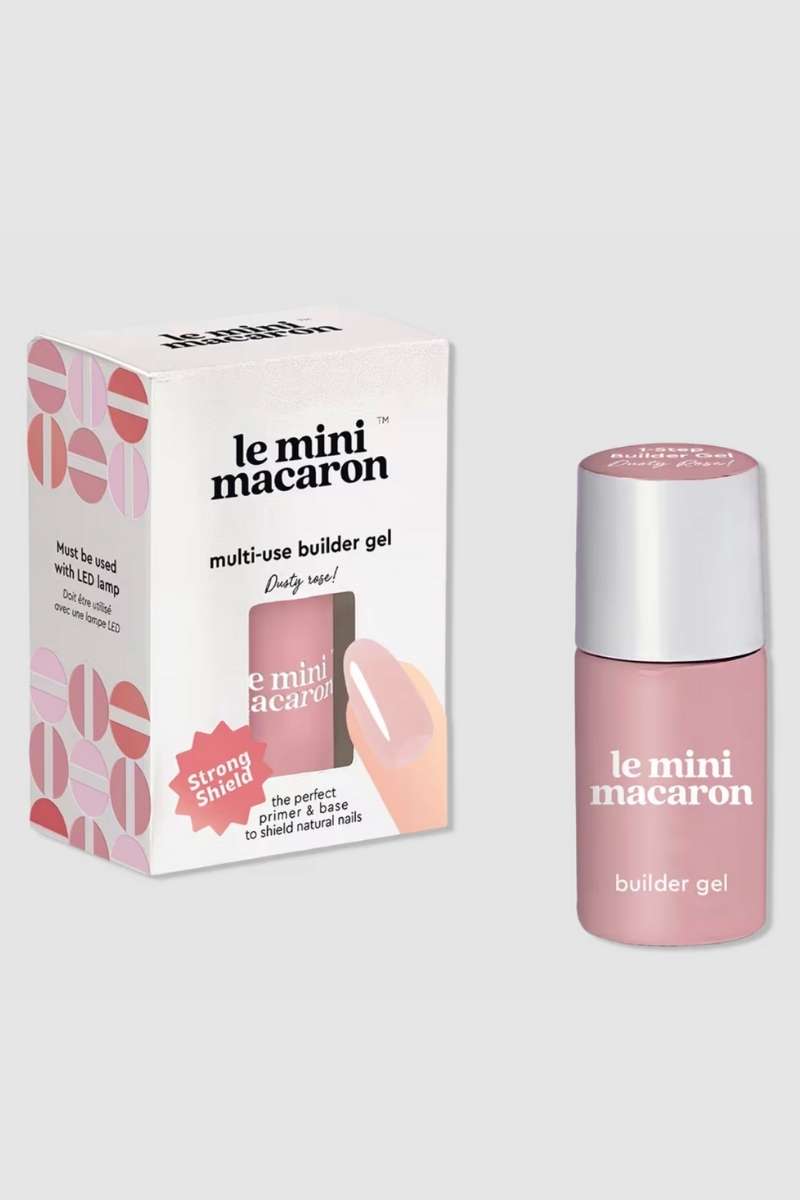
For those who care just as much about shade as strength, Le Mini Macaron Multi Use Builder Gel in Dusty Rose offers a soft, wearable color while still reinforcing the nail.

If you are looking for a more affordable option that still delivers durability, ASP Birthday Suit Colored Builder Gel is a popular choice among DIY nail enthusiasts.
Are Builder Gel Nails Good for Nail Health
This is the question people often hesitate to ask. Builder gel can be a nail friendly option when it is applied and removed correctly. The product itself is not damaging, but improper removal can be.
Because builder gel adds protection, many people experience less breakage and peeling over time. The nails underneath often grow stronger simply because they are shielded from daily wear.
The Real Reason People Are Switching to Builder Gel
Here is the part that often gets left out of quick explanations. This manicure is not just about looks. It is about lifestyle.
People are switching because builder gel make manicures feel sustainable. You are not constantly fixing breaks or starting over. You are maintaining something that actually lasts.
For many, builder gel application represents a shift toward beauty routines that support real life rather than fight against it.
Is This Type of Gel Worth It
For anyone tired of choosing between fragile natural nails and high maintenance acrylics, the builder gel method is absolutely worth considering. They offer balance, durability, and polish without forcing you into extremes.
That balance is exactly why this nail technique is no longer just a trend. They are becoming the new standard.


Leave a Reply