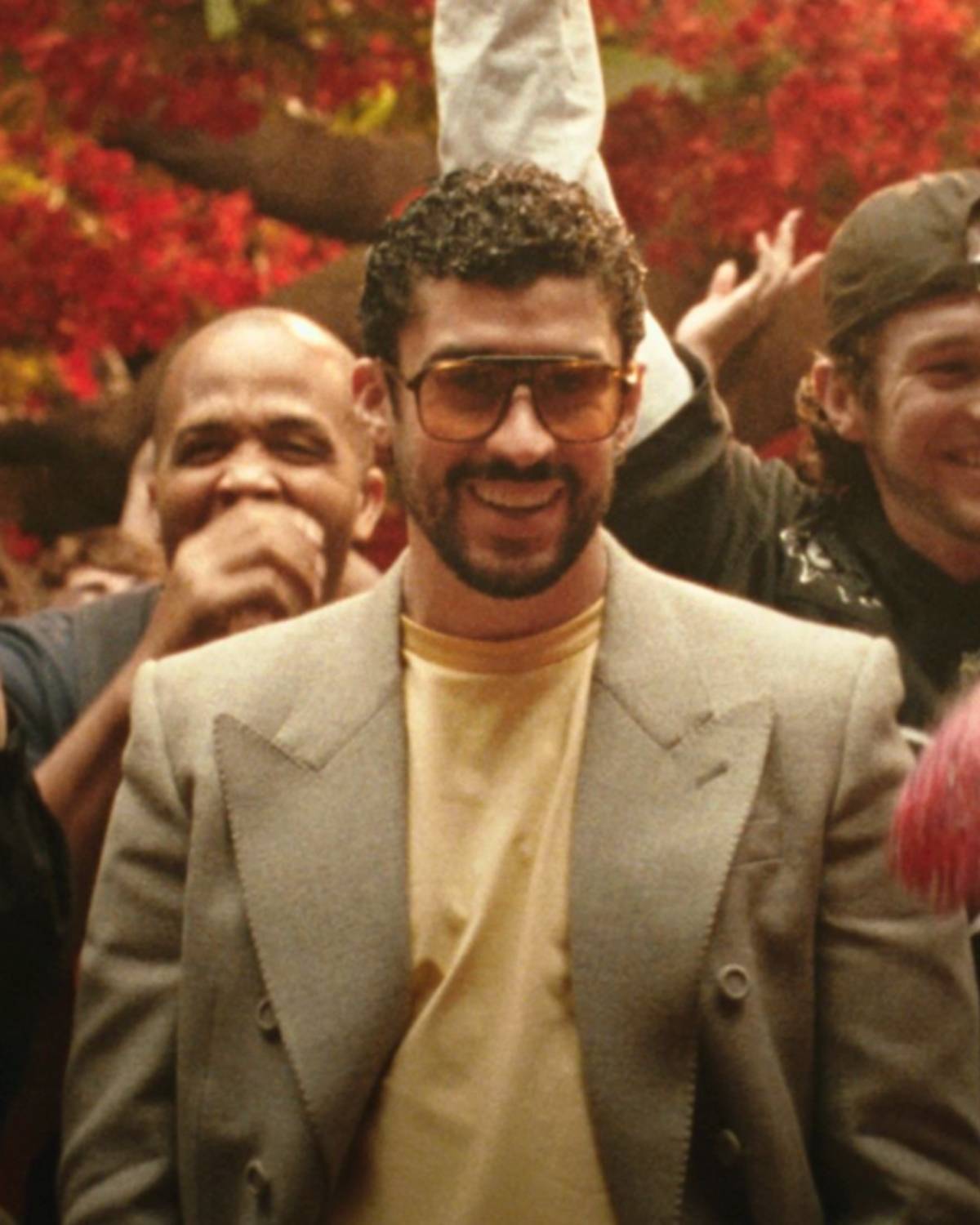
Why Bad Bunny is controversial has less to do with scandal and more to do with what happens when a Latin artist refuses to stay neutral while reaching global success. For years, celebrities have been warned that speaking up is risky. Stay neutral. Do not alienate fans. Do not mix politics with entertainment. For artists from marginalized communities, that advice comes even louder, often disguised as concern or professionalism. But Bad Bunny has built one of the most dominant careers in modern music by doing the opposite. His success challenges the idea that silence is the price of mainstream acceptance.
Bad Bunny is not just popular. Cultural power follows him everywhere. More importantly, that power comes not from neutrality, but from clarity.
The expectation that Latin artists stay quiet
There has always been an unspoken rule in the entertainment industry. For decades, artists have been encouraged to represent culture only in ways that feel comfortable to the mainstream. As a result, Latin artists are often celebrated for sound, rhythm, and aesthetic, but discouraged from speaking openly about politics, immigration, colonialism, or identity. In other words, visibility is welcomed, while disruption is not.
This pressure is especially intense for artists who cross over into global stardom. Once an artist reaches that level, their voice is seen as dangerous. Every statement becomes scrutinized. Every opinion is framed as a risk. For Latin artists, the message is clear. Be grateful. Be entertaining. Be quiet.
Bad Bunny never agreed to that deal.
Success without translation or dilution
From the beginning, Bad Bunny refused to soften himself for a broader audience. Bad Bunny did not switch languages to be more accessible. Instead, he refused to reshape his sound to fit American radio expectations.
Most importantly, he never distanced himself from Puerto Rico or Caribbean culture once fame arrived.
Instead, he doubled down.
Spanish remained central to his music. Caribbean slang stayed intact. His visuals reflected working class realities, island life, and Latin street culture rather than polished crossover fantasies. He showed that global success did not require cultural erasure.
That alone disrupted an industry that often rewards assimilation.
Why Bad Bunny Is Controversial to Some Audiences
For many people searching why Bad Bunny is controversial, the answer has less to do with outrage and more to do with discomfort. Bad Bunny’s controversy is not rooted in scandal. It comes from discomfort. He challenges the idea that artists should be neutral, apolitical, or easy to digest. He speaks openly about social issues. He questions power. He centers communities that are usually expected to stay invisible.
For some audiences, that feels confrontational. Not because his messages are extreme, but because they refuse to stay in the background.
He also resists traditional expectations of masculinity. His fashion choices, performances, and public persona reject rigid gender norms. That resistance makes some people uneasy, especially those who expect Latin male artists to perform a narrow version of strength.
Controversy, in this case, is simply the reaction to authenticity.
Related: How Liniker Is Redefining Brazilian Soul and Elevating Trans Voices Worldwide
The myth of neutrality in entertainment
In practice, neutrality is often framed as professionalism, but in reality it is a privilege. Choosing not to speak is easier when systems already work in your favor. For artists whose communities are directly affected by political decisions, silence can feel like betrayal.
Bad Bunny understands that. His career shows that neutrality is not a requirement for success, even at the highest levels. In fact, refusing neutrality can deepen connection with audiences who feel unseen.
Fans do not just listen to his music. They see themselves in it. That emotional loyalty cannot be manufactured by staying safe.
Cultural influence beyond music
Bad Bunny’s impact goes far beyond charts and awards. He has influenced fashion, language, gender expression, and the way Latin culture is presented globally. His visibility has opened doors for conversations that mainstream platforms often avoid.
He does not wait for permission to address issues that affect his community. He integrates them into his art, his visuals, and his public presence. That consistency matters. It builds trust. It signals that his values are not marketing tools, but lived realities.
That is why his voice carries weight when he speaks.
Why audiences keep showing up
Despite predictions that speaking out would damage his career, Bad Bunny’s popularity continues to grow. Stadiums sell out. Albums dominate. Collaborations expand. His success exposes the flaw in the industry’s warning system.
People are not turning away because he has opinions. They are leaning in because he feels real.
Audiences today are more aware of image crafting than ever. They can tell when silence is strategic. They can also tell when an artist’s voice comes from lived experience rather than branding meetings.
Bad Bunny offers something rare. Alignment between success and values.
The moment that made it undeniable
All of this context matters because it leads to one clear truth. Ultimately, understanding why Bad Bunny is controversial means understanding why neutrality has never protected marginalized voices. Bad Bunny’s refusal to stay neutral is not accidental. It is intentional. And recently, that intention became impossible to ignore when he used his platform to directly call out immigration enforcement and defend the humanity of immigrants.
That moment was not a departure from who he is. It was a continuation.
It revealed what his career has been showing all along. You do not have to stay silent to stay successful. You do not have to choose between visibility and values. And for artists who come from communities shaped by inequality, neutrality has never been neutral at all.
Bad Bunny did not become successful despite speaking up. He became successful because he never stopped being himself.
Leave a Reply